






 Google Photos Compatible
White and Black - saltpans and asphalt lake
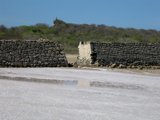
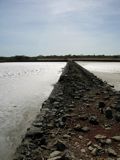
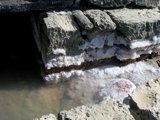
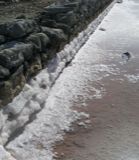
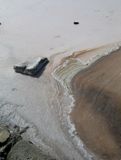
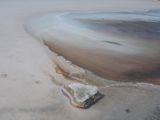
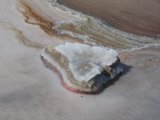
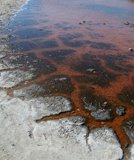
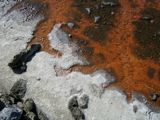
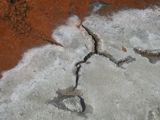
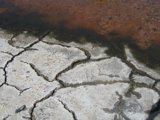
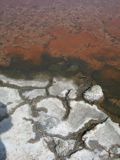
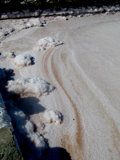
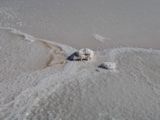
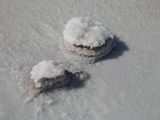
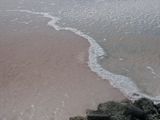
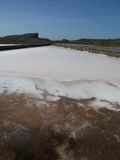
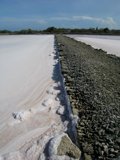
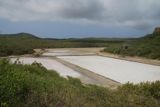
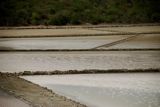
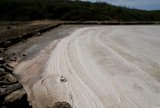
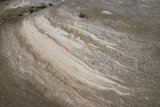
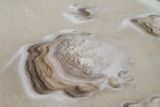
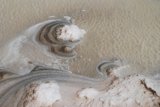
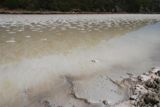
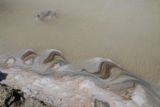
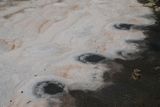
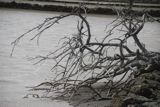
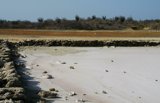
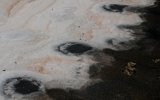 SALTPANS AND ASPHALT LAKE - a study in black and whitePhotography: Rita Mendes-Flohr Salt was won from seawater in Curacao's saltpans by building low, stone dams in an inner bay, capturing the sea water in shallow sections, and letting it evaporate in the sun. Built in the times of slavery, the saltpans continued to be worked in the scorching sun until the end of the nineteen fifties,close to a century after emancipation. Flamingoes and other water birds thrive on the tiny pink-colored crustaceans that are found in the salty waters. Similarly, the Asphalt Lake is part of a bay that has been sectioned off by a dam. This black lake was formed during the Second World War, when Curacao's refinery had to rapidly produce great quantities of kerosene and gasoline and the less-in-demand, heavier oil components were dumped into this section of the harbor. After the war, efforts to regain the asphalt failed. Presently, a company has been established to clean out the Asphalt Lake and market the asphalt for fuel and road works, while regaining the valuable land. In a far corner, the constant northeast trade winds have pushed away the thick layer of asphalt, allowing the underlying water to emerge, that surprisingly contains sufficient nutrition to attract a variety of birds. © copyright 2007 Rita Mendes-Flohr | 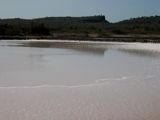
| 
| 
|
| 
| 
| 
|
| 
| 
| 
|
| 
| 
| 
|
| 
| 
| 
|
| 
| 
| 
|
| 
| 
| 
|
| 
| 
| 
|
| 
| 
| 
|

| 
| 
| 
|